
Months-long lockdowns across Australia have thrust a recent study of their effects on athletes into the spotlight.
Mental health experts from Monash University’s School of Psychological Sciences surveyed 375 elite and sub-elite Australian athletes, almost all of whom suffered during the lockdowns.
According to the February 2021 study’s results, more than 54.3 per cent of participants’ mental health was “disrupted” during lockdowns; 9.9 per cent experienced improvement.
More than three in four participants engaged in less physical activity, half’s nutrition worsened and 68.8 per cent’s productivity decreased.
Caffeine consumption skyrocketed among athletes, but statistics on each side of alcohol consumption mirrored each other; 97 people drank more and 95 drank less.
For some though, including Canberra-based Jye Edwards, lockdown wasn’t all that bad.
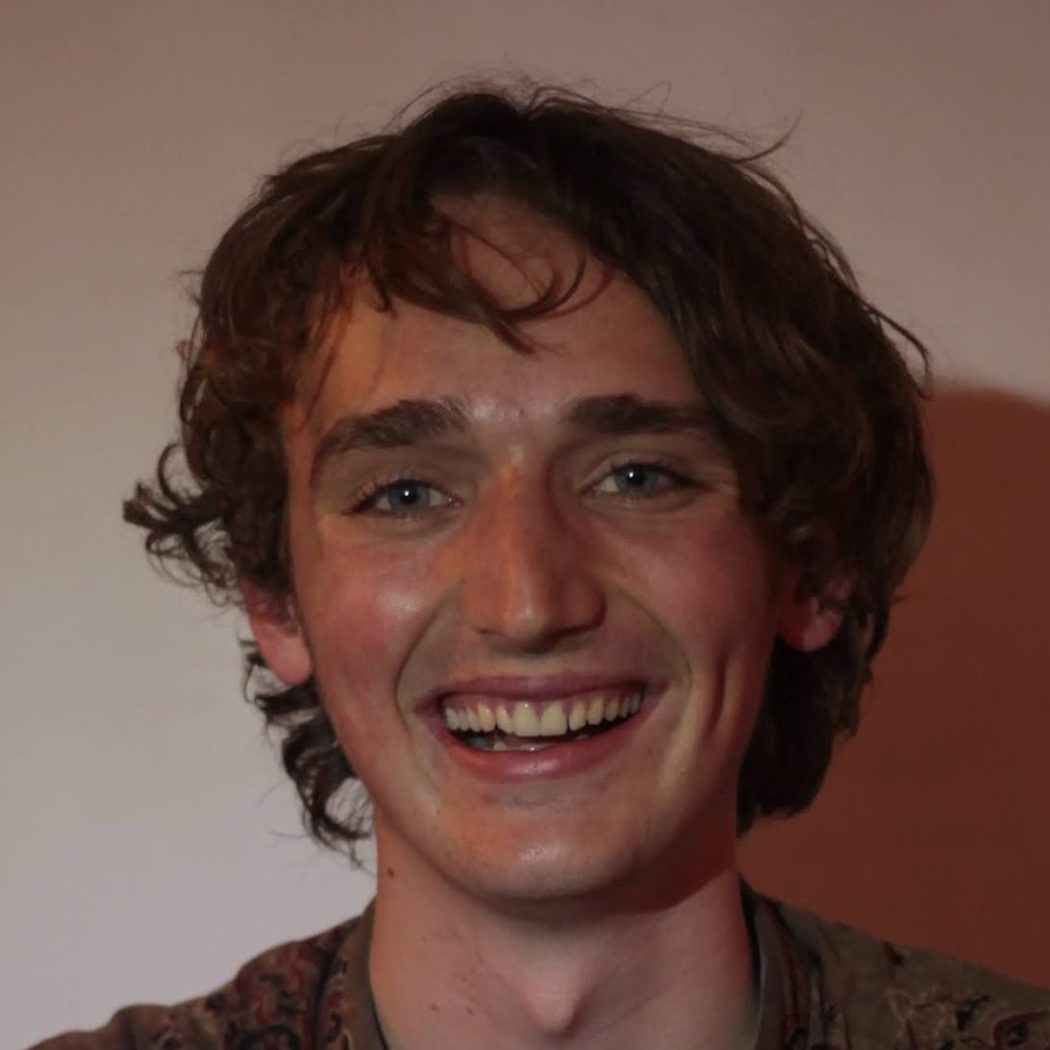
Edwards, a 1500-metre runner, returned from the Tokyo Olympics to a locked-down hometown and said the restrictions’ effects differed “from person to person”.
“I went through patches where I’d struggle a bit and [couldn’t] wait for it to be over,” Edwards said.
“But overall, as an athlete, I don’t think it was too bad, considering all I really need are running shoes and a nice trail.”
“In terms of the impact it’s had on people, I was probably one of the lucky ones.”
An initial seven-day lockdown in Canberra this year ended up stretching out to a two-month-long duration.
Strict stay-at-home orders were in place from mid-August to mid-October in the ACT but, from 2 September, five people from five households could exercise together.
Edwards said lockdown eliminated “distractions”, allowing him to focus on his four-week training blocks and reaching his set targets.
“Because we could have those groups of five, when we trained, [the coach] joined us, jogging around and giving us a bit of instruction,” Edwards said.
Monash University’s study found 56.7 per cent of participants’ sleeping patterns were disrupted but sleep time itself increased on average.
For Edwards, it “works both ways”.
“I don’t want to oversleep because I often feel worse, but if I don’t have anything to be up for, there’s no real point [getting up early],” he said.
Almost half of those surveyed spent more time on screens before bed and the average participant fell asleep later than they did pre-COVID.
In their discussion, Monash University’s researchers highlighted the need to “raise awareness and education” about the impacts of screentime before sleeping.
“[It] would be a simple strategy for sports organizations that could reduce sleep onset latency, thereby increasing sleep duration, sleep quality, and improve mental health of their athletes,” they said.
 Harper Pestinger
Leave a comment